Bubble Foam: The Playful SVG Font for Modern Design
In the crowded landscape of digital design, capturing attention within seconds is often the difference between a user scrolling past or stopping to engage. While layout and color play significant roles, typography remains one of the most powerful tools for setting tone and establishing an immediate emotional connection. This is where Bubble Foam enters the conversation. As an SVG font inspired by playful typography, it offers a distinct aesthetic that moves beyond standard web-safe options, providing designers and content creators with a unique way to make their work more attractive and approachable.
Unlike traditional font formats that rely on vector outlines which can sometimes appear jagged or pixelated at specific zoom levels, Bubble Foam utilizes Scalable Vector Graphics (SVG) technology. This technical foundation ensures that every curve, round edge, and inflated letterform renders with crisp precision across all devices, from high-resolution retina displays on laptops to smaller smartphone screens. For professionals aiming to inject a sense of fun without sacrificing quality, understanding how this specific typeface functions can unlock new creative possibilities.
Elevating Brand Personality Through Typography
The primary value of Bubble Foam lies in its ability to instantly communicate a specific brand personality. In marketing and branding, the "voice" of a visual asset is just as important as the written message. Standard serif or sans-serif fonts often convey neutrality, professionalism, or seriousness. However, many modern businesses, particularly those targeting younger demographics or operating in lifestyle sectors, need to project warmth, creativity, and accessibility.
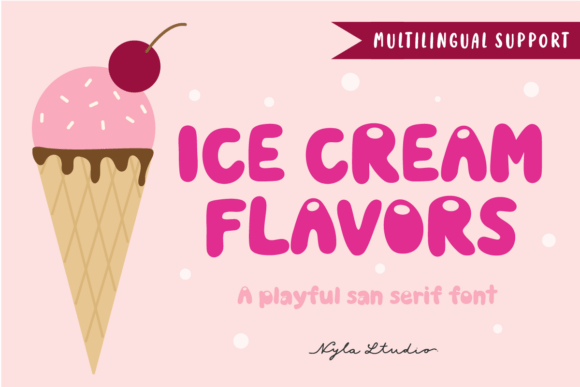
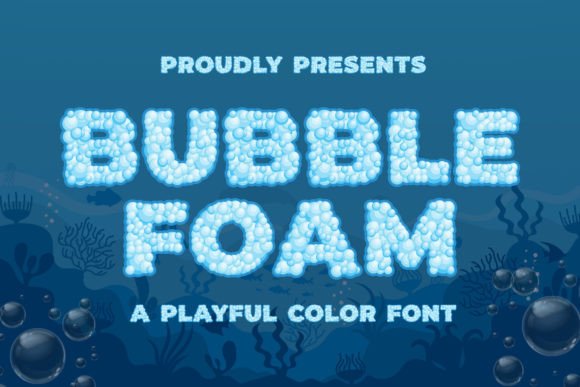
When you integrate Bubble Foam into a project, you are making a deliberate choice to soften the visual experience. The rounded, buoyant shapes of the letters mimic the physical properties of foam or bubbles, subconsciously suggesting lightness and ease. This is particularly effective for small business owners launching a new product line, such as organic bath products, children's educational apps, or artisanal bakeries. In these contexts, the font does not merely display text; it reinforces the core value proposition of the brand—that the experience will be gentle, fun, and stress-free.
Consider a landing page for a summer festival. Using a rigid, corporate typeface might create a disconnect between the event's promise of enjoyment and the visual presentation. Swapping the header to Bubble Foam aligns the visual language with the event's intent, potentially increasing click-through rates because the audience immediately feels the right vibe. It simplifies the decision-making process for the viewer by removing visual friction.
Technical Advantages of the SVG Format
Beyond aesthetics, the technical structure of Bubble Foam as an SVG font offers practical benefits for web developers and UI designers. One of the persistent challenges in responsive web design is maintaining typographic integrity across different screen sizes. Traditional fonts can sometimes suffer from rendering issues on low-resolution screens or when scaled to extreme sizes. Because SVG fonts define glyphs using XML-based vector graphics, they remain resolution-independent.
This means that the playful details of Bubble Foam—such as the subtle variations in stroke width or the specific curvature of the "O" and "B"—remain sharp whether viewed on a 4K monitor or a budget Android device. For entrepreneurs managing their own websites, this reduces the need for complex workarounds or multiple image assets to achieve a specific look. Instead of exporting headlines as PNG or JPG images to preserve a custom font's look (which hurts SEO and accessibility), you can use Bubble Foam as live text. This ensures that search engines can still read and index your content, supporting your SEO goals while maintaining the desired artistic style.
Furthermore, SVG fonts allow for advanced styling capabilities via CSS. Designers can animate individual parts of the letters or apply gradients directly to the text fill, creating dynamic interactions that static image headers cannot match. This supports creativity by allowing the typography to become an interactive element of the user interface rather than just a static label.
Practical Use Cases for Creators and Educators
The versatility of Bubble Foam makes it a valuable asset for a wide range of professionals. Freelance graphic designers often struggle to find typefaces that strike the right balance between whimsical and legible. Many "fun" fonts sacrifice readability for style, making them unsuitable for anything other than large display text. Bubble Foam, however, maintains clear character distinction, making it viable for short paragraphs, call-to-action buttons, and navigation menus, not just massive headlines.
For educators and publishers creating learning materials for children, engagement is critical. Worksheets, digital flashcards, and presentation slides benefit immensely from typography that feels friendly rather than institutional. Using Bubble Foam can help reduce the intimidation factor of learning new concepts, making the material feel more like a game and less like a chore. Similarly, bloggers and hobbyists who create content around crafting, cooking, or DIY projects can use this font to make their tutorials feel more personal and inviting.
Event planners also find significant utility in this typeface. Whether designing digital invitations for a baby shower, a birthday party, or a casual community meetup, the font sets a celebratory tone immediately. It eliminates the need for excessive decorative elements because the typography itself serves as the decoration. This streamlines the design process, saving time for creators who need to produce high-quality visuals quickly.
Strategic Implementation Tips
To get the most out of Bubble Foam, it is essential to use it strategically. Because it is a display font with a strong personality, it works best when paired with a neutral, highly legible sans-serif font for body text. This contrast ensures that while the headers grab attention and set the mood, the detailed information remains easy to read. Overusing a distinctive font like this can lead to visual fatigue, so reserve it for key messages, logos, and short bursts of text.
Additionally, consider the context of your audience. While Bubble Foam is excellent for industries related to entertainment, childcare, food, and lifestyle, it may not be the appropriate choice for legal firms, financial institutions, or medical emergency communications where authority and sterility are preferred. Understanding where the font fits—and where it does not—is a mark of professional design maturity.
- Web Headers: Use for hero sections to immediately establish a playful brand voice.
- Social Media Graphics: Ideal for Instagram stories or Pinterest pins where visual pop is necessary.
- Packaging Labels: Enhances the tactile feel of product packaging for artisanal goods.
- Presentation Titles: Breaks the monotony of standard slide decks in creative pitches.
Making Informed Design Decisions
Selecting the right typography is a decision that impacts user perception, brand consistency, and overall communication efficiency. Bubble Foam offers a specialized solution for those looking to break away from the mundane. Its foundation as an SVG font ensures longevity and adaptability in a rapidly changing digital environment, while its playful inspiration provides the emotional hook needed to connect with audiences on a human level.
For marketers and business owners, the investment in a unique typeface like this is an investment in brand differentiation. In a market where many competitors use the same limited library of free fonts, adopting a distinct style helps your content stand out. It signals that attention to detail matters to your organization. However, always test the font in your specific environment. Ensure that the file size of the SVG font does not negatively impact page load times, and verify that fallback fonts are configured correctly for browsers that may have limited SVG font support.
Ultimately, the goal of design is to facilitate communication. When the medium matches the message, communication becomes seamless. Bubble Foam provides a bridge between professional functionality and creative expression, allowing you to present your ideas with clarity and charm. By leveraging its unique characteristics thoughtfully, you can create designs that are not only visually attractive but also emotionally resonant, driving better engagement and achieving your project goals with greater efficiency.