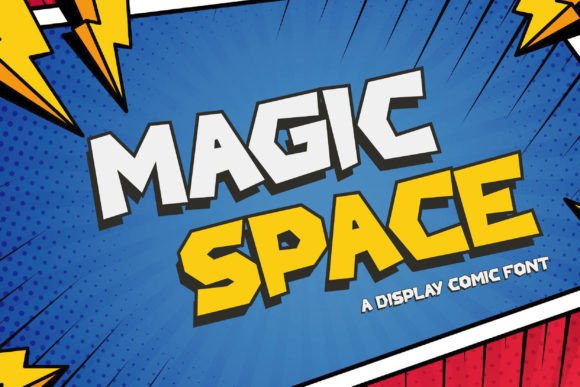
Evaluating Magic Space: A Playful Comic Display Font for Creative Projects
In the vast universe of typography, selecting the right typeface is often the difference between a design that feels flat and one that captures the imagination. For designers seeking to inject a sense of wonder into their work, Magic Space emerges as a compelling option. This comic display font is characterized by its whimsical nature and enchanting aesthetic, designed specifically to bring a playful aura to creative projects. Understanding where this font fits within a broader design strategy requires an objective look at its characteristics, ideal use cases, and potential limitations.
Defining the Aesthetic of Magic Space
At its core, Magic Space is a display typeface, meaning it is intended for use in headlines, logos, and short bursts of text rather than long-form body copy. The font draws inspiration from comic book lettering and cosmic themes, resulting in characters that feel both hand-drawn and otherworldly. Its structure typically features irregular baselines, varying stroke widths, and decorative elements that suggest movement and magic.
Unlike standard sans-serif or serif fonts that prioritize neutrality and readability above all else, Magic Space prioritizes personality. The "comic" aspect ensures it remains approachable and friendly, while the "space" influence adds a layer of mystery and adventure. This duality makes it a unique tool for designers who need to communicate fun without sacrificing a sense of epic scale or fantasy.
Ideal Applications and Strong Fits
When evaluating whether to incorporate Magic Space into a project, the primary consideration is the target audience and the emotional tone of the message. This font shines in scenarios where the goal is to evoke childhood nostalgia, curiosity, or lighthearted excitement.
- Children's Media: It is an excellent choice for children's book covers, educational apps, and toy packaging. The playful shapes resonate well with younger demographics.
- Gaming and Entertainment: Indie games with space exploration themes or casual mobile games can benefit from the font's ability to set a whimsical mood immediately upon viewing the title screen.
- Event Branding: For themed parties, summer camps, or fantasy conventions, Magic Space can serve as a strong header font on invitations and signage.
- Creative Portfolios: Designers working in illustration or concept art may use it to label sections of their portfolio, reinforcing a creative and imaginative personal brand.
In these contexts, the font acts as more than just text; it becomes a visual element that supports the narrative. The enchanting touch it adds helps bridge the gap between the viewer and the content, making the experience feel more immersive.
Tradeoffs and Practical Considerations
While Magic Space offers distinct advantages for specific niches, it is not a universal solution. Like many display fonts, it comes with inherent tradeoffs that must be weighed during the selection process.
The most significant limitation is readability at small sizes. Due to its decorative nature and irregular character shapes, Magic Space can become difficult to decipher when scaled down. It is generally unsuitable for body text, legal disclaimers, or dense informational paragraphs. Using it for long passages can cause eye strain and reduce the overall professionalism of a document.
Furthermore, the strong personality of the font can sometimes overpower other design elements. If a layout already contains complex illustrations or busy backgrounds, adding Magic Space might create visual clutter. In such cases, the font competes for attention rather than complementing the imagery. Designers must ensure there is sufficient negative space around the typography to let the characters breathe.
When to Consider Alternatives
There are situations where Magic Space may not align with project goals, and recognizing these early can save time and resources. If the project requires a tone of seriousness, authority, or minimalism, this font is likely inappropriate. For example, corporate reports, financial websites, or medical brochures demand typefaces that convey stability and trust, qualities that a whimsical comic font does not possess.
Additionally, if accessibility is a primary concern, alternatives should be considered. Users with dyslexia or visual impairments often struggle with decorative fonts that lack uniform character heights or clear distinctions between similar letters. In these instances, a clean sans-serif font with high legibility scores would be a more ethical and practical choice.
Designers should also evaluate the longevity of the trend. While comic and retro styles have enduring appeal, highly stylized display fonts can sometimes date a design quickly. If the goal is to create a timeless brand identity that will remain relevant for decades, a more neutral display font might be a safer investment, with Magic Space reserved for temporary campaigns or seasonal promotions.
Decision-Making Insights for Designers
Selecting a typeface is a strategic decision that impacts the entire user experience. To determine if Magic Space is the right fit, ask the following questions:
- What is the primary emotion I want to evoke? If the answer is wonder, playfulness, or fantasy, Magic Space is a strong contender. If the answer is trust, efficiency, or luxury, look elsewhere.
- Where will this font be displayed? Ensure the medium supports large-scale text. Digital screens, billboards, and large print formats allow the details of the font to shine, whereas small mobile interfaces may render it illegible.
- How does it pair with other fonts? A successful design often pairs a distinctive display font with a simple, readable body font. Test Magic Space alongside neutral sans-serifs to see if the contrast creates a balanced hierarchy.
- Does it align with brand guidelines? For existing brands, check if the whimsical nature of the font conflicts with established brand voice and visual identity standards.
Ultimately, Magic Space is a specialized tool in the typographic toolkit. It excels at transforming ordinary text into a gateway for imagination, making it invaluable for projects rooted in storytelling and creativity. However, its effectiveness relies entirely on context. By understanding its strengths in evoking a cosmic, comic atmosphere and respecting its limitations regarding readability and tone, designers can make informed decisions that enhance their work without compromising functionality.
Whether embarking on a new branding journey or refining an existing creative asset, the key lies in matching the font's personality to the project's purpose. When used judiciously, Magic Space does more than display words; it invites the audience to embark on a whimsical journey through the cosmos of design.