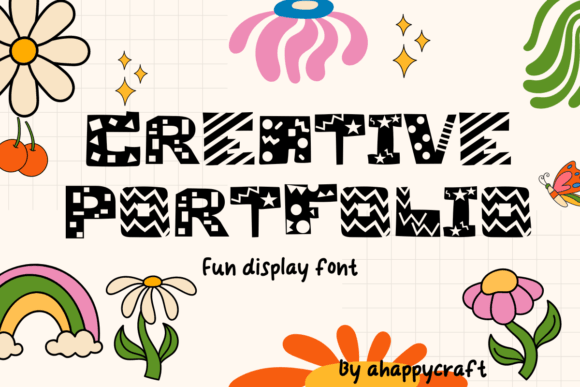
Funcube: The Handmade Typography Revolution for Modern Creators
In an era where digital perfection often dominates our screens, there is a growing hunger for authenticity. We are seeing a significant shift in how professionals, educators, and hobbyists approach visual communication. The sterile, uniform lines of standard system fonts no longer capture the attention they once did. Instead, audiences are drawn to textures that feel human, designs that show imperfection, and typography that tells a story. This is where Funcube enters the conversation. More than just a typeface, Funcube represents a bridge between traditional hand-crafted artistry and modern design needs. It is a very fun and cool handmade font that brings a unique character to every project it touches.
The appeal of Funcube lies in its construction. Unlike fonts generated by algorithms with mathematical precision, each alphabet in the English language within this family features a different design. Every letter is composed of handmade lines and shapes, ensuring that no two characters feel exactly alike yet they harmonize perfectly as a set. This level of detail resonates deeply with current market preferences, where consumers and viewers alike can spot mass-produced content from a mile away. By integrating Funcube into your workflow, you are not just choosing a font; you are choosing a statement of individuality.
The Shift Toward Authentic Visual Identity
Over the last decade, we have witnessed a pendulum swing in design trends. For years, the tech industry pushed for minimalism—clean sans-serifs, flat colors, and invisible interfaces. While efficient, this approach eventually led to a homogenization of brand identities. Today, businesses and creators are realizing that standing out requires personality. This is particularly true for entrepreneurs, marketers, and bloggers who need to build a connection with their audience quickly.
Funcube fits seamlessly into this evolving landscape. Because each letter is distinct, using this font immediately signals that a brand or project values creativity and effort. It suggests that there is a human behind the message. For small business owners, this can be the difference between looking like a generic template and appearing as a bespoke, thoughtful entity. When a customer sees signage, packaging, or social media graphics utilizing these handmade shapes, they subconsciously register the brand as approachable and artistic.
Furthermore, the trend toward "humanizing" technology means that even digital products are seeking warmth. A website header or an app interface that utilizes a font like Funcube can soften the user experience. It breaks the monotony of the grid and invites the user to linger. This is not about sacrificing readability; it is about enhancing engagement through visual interest. The varied line weights and organic shapes keep the eye moving, making the act of reading feel less like processing data and more like exploring art.
Empowering Education and Youth Projects
One of the most impactful applications of this typeface is in the realm of education. Teachers, parents, and youth program coordinators are constantly searching for resources that spark imagination in young minds. Standard educational materials often rely on rigid, predictable fonts that, while legible, do little to inspire creativity. Funcube is very nice for young art projects because it demonstrates that letters are not just tools for communication, but building blocks for expression.
When children interact with alphabets that look like they were drawn by hand, it encourages them to pick up a pencil and create their own. It validates the idea that art does not need to be perfect to be valuable. In a classroom setting, printing words on various surfaces using Funcube can transform a mundane spelling lesson into a design workshop. Students can analyze the different shapes of each letter, discussing why the "A" looks different from the "B" and how those differences contribute to the overall feel of the word.
Beyond the classroom, this font serves as an excellent tool for extracurricular activities. Whether it is designing a poster for a school play, creating name tags for a summer camp, or illustrating a community zine, the playful nature of these handmade lines engages young participants. It helps them visualize text as an image, fostering a deeper understanding of graphic design principles at an early age. The versatility of the font allows it to adapt to various themes, from whimsical storybooks to bold, energetic announcements.
Practical Applications for Wall Art and Surface Design
The physical application of typography has seen a resurgence in interior design and personal decor. People are increasingly interested in customizing their living and working spaces with art that reflects their personality. Funcube offers a unique solution for this demand. Because each alphabet is a different design with all handmade lines and shapes, the letters themselves become individual pieces of art. You do not need complex illustrations to create a striking visual; the typography carries the weight.
Consider the concept of printing on any surface as an art word. With Funcube, a simple wooden plank, a canvas tote bag, a ceramic mug, or a glass window becomes a potential masterpiece. The organic nature of the font complements natural materials beautifully. For instance, painting a motivational quote in Funcube on a reclaimed wood sign adds a rustic, artisanal charm that machine-cut vinyl cannot replicate. Similarly, screen printing these letters onto fabric for fashion items creates a boutique feel that appeals to consumers looking for unique apparel.
Making wall art just with the alphabet itself is another powerful strategy. Large-scale installations featuring single letters or short words can serve as focal points in offices, cafes, or homes. The variation in the design of each character ensures that a wall covered in the alphabet feels dynamic rather than repetitive. An artist could arrange the letters to form a pattern, or scatter them to create a sense of movement. The "cool" factor of the font ensures that the result feels contemporary and stylish, avoiding the trap of looking dated or childish despite its playful origins.
Strategic Implementation for Professionals
For freelancers and agency professionals, incorporating Funcube into a client's brand identity requires a strategic approach. It is essential to recognize where this font shines and where it might need support. Due to its decorative and handmade nature, it is best utilized for headlines, logos, pull quotes, and short bursts of text. Using it for long-form body copy might reduce legibility, so pairing it with a clean, neutral sans-serif for paragraphs is often the most effective workflow.
- Branding: Use Funcube for logo marks and taglines to inject personality into corporate identities, especially for creative industries, lifestyle brands, and local businesses.
- Packaging: Apply the font to product labels and boxes to create a tactile, hand-crafted impression that suggests quality and care.
- Social Media: Create quote graphics and story highlights that stand out in a crowded feed, leveraging the unique shapes to stop the scroll.
- Event Design: Utilize the alphabet for invitations, signage, and merchandise to give events a cohesive and memorable aesthetic.
The key to success with such a distinctive font is balance. Let the handmade lines breathe by providing ample white space around them. Do not overcrowd the design. Allow the unique shape of each letter to be the hero. When used correctly, Funcube does not just decorate a page; it elevates the entire message, making it feel more intentional and heartfelt.
Why Handmade Aesthetics Matter Now
We are living in a time of rapid technological advancement, where AI and automation can generate content in seconds. Paradoxically, this has increased the value of things that clearly cannot be made by a machine. The slight irregularities in the line width, the organic curves, and the playful geometry of Funcube signal human involvement. In a marketplace flooded with synthetic perfection, these "flaws" are actually features. They build trust.
Consumers are becoming more discerning. They want to support creators who put thought and effort into their work. A brand that chooses a generic font might seem efficient, but a brand that curates a specific, handmade typography style like Funcube shows dedication to craft. This aligns with the broader cultural movement towards slow living and mindful consumption. It suggests that the creator took the time to find something special, rather than settling for the default option.
Moreover, the emotional resonance of handmade typography cannot be overstated. It evokes nostalgia for a time when things were crafted individually, yet it feels fresh and modern in its execution. This duality makes it incredibly versatile. It can appeal to older demographics who appreciate the artisanal quality, while simultaneously attracting younger audiences who value uniqueness and self-expression. It is a universal language of creativity that transcends age and industry.
Getting Started with Your Creative Journey
If you are ready to integrate this style into your projects, start by experimenting. Print out the full alphabet and lay the letters out on a table. Observe how the shapes interact with one another. Notice how the "O" might have a different thickness than the "I", and how these contrasts create rhythm. Try combining letters to form words that represent your brand or your project's core message. See how the energy changes when you swap one letter for another.
Do not be afraid to mix mediums. Since the font is designed to be printed on any surface, test it on paper, cardboard, fabric, and digital screens. You may find that it looks particularly striking when embossed on thick cardstock or when projected onto a wall for an event. The possibilities are limited only by your imagination. Remember, the goal is to have fun with the process. The playful spirit of the font should inform your approach to using it.
Ultimately, adopting a typeface like Funcube is about embracing a mindset of creativity and authenticity. It is a reminder that in a world of standards and templates, there is still immense power in the handmade. Whether you are an educator looking to inspire students, a designer seeking a new edge, or a business owner wanting to connect more deeply with customers, this font offers a pathway to do so. It is cool, it is functional, and above all, it is undeniably human. You will love the way it transforms your work from ordinary to extraordinary.